

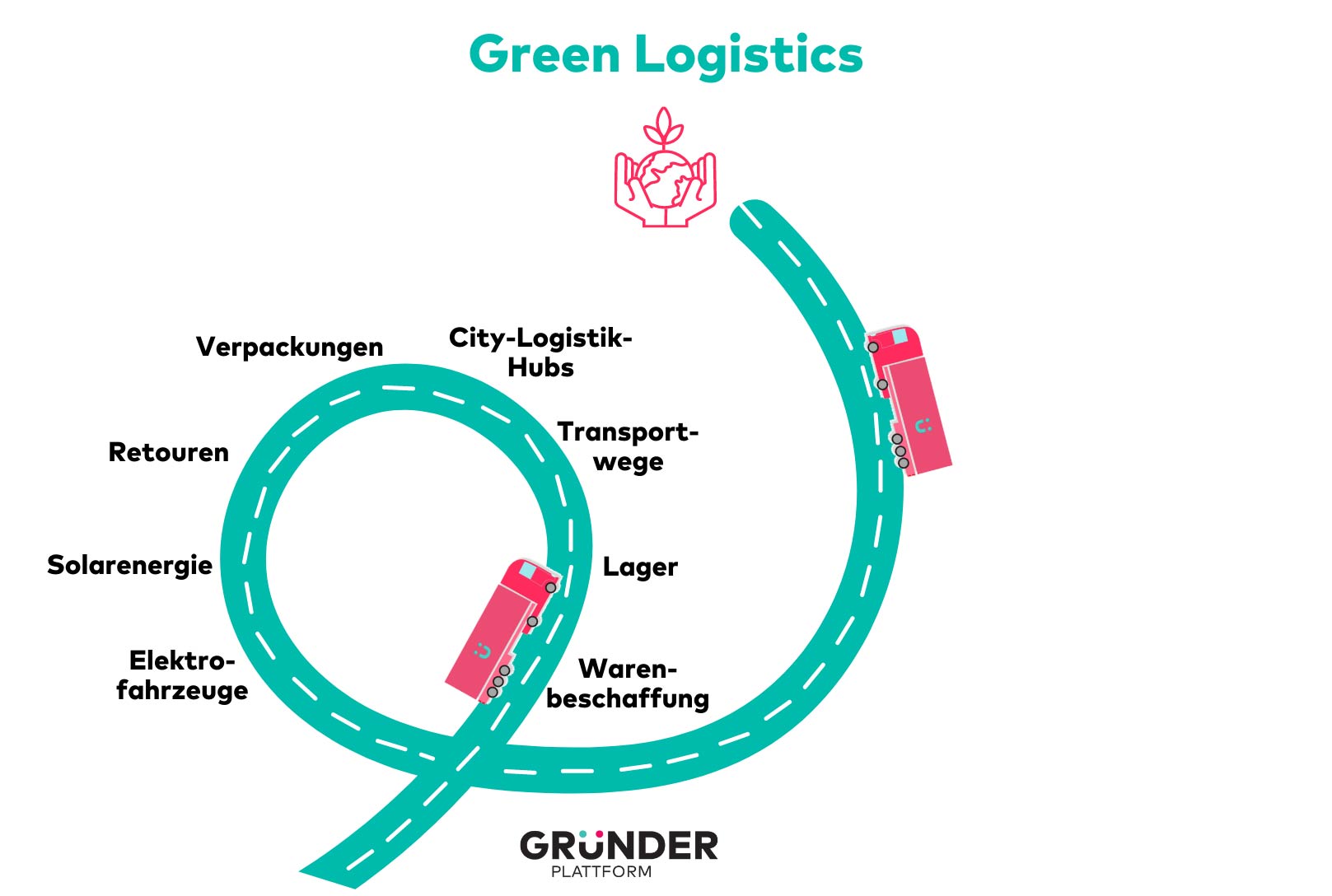
Practical insights on implementing Nachhaltige Logistik Lösungen for a greener supply chain. Real-world strategies for eco-friendly operations.

In the rapidly evolving landscape of global commerce, the push for environmental responsibility is no longer just a marketing slogan; it’s a fundamental operational imperative. From my experience managing logistics networks across continents, the adoption of sustainable practices is not merely a choice but a necessity for long-term viability. We’ve seen firsthand how an initial investment in Nachhaltige Logistik Lösungen pays dividends, not only in reduced environmental impact but also in operational efficiency and stronger brand reputation. This shift requires a deep understanding of practical implementation, moving beyond theoretical frameworks to tangible, real-world applications that deliver measurable results.
Key Takeaways
- Nachhaltige Logistik Lösungen are critical for long-term business viability and environmental stewardship.
- Successful implementation demands a holistic approach, integrating technology, process optimization, and stakeholder collaboration.
- Data analytics and real-time visibility are essential for measuring impact and driving continuous improvement.
- Strategic partnerships across the supply chain can significantly accelerate the adoption of green practices.
- Investing in renewable energy, route optimization, and circular economy principles yields both ecological and economic benefits.
- Overcoming initial resistance and securing leadership buy-in are vital for scaling sustainable initiatives.
Strategische Planung von Nachhaltige Logistik Lösungen
Implementing effective Nachhaltige Logistik Lösungen begins with a clear, strategic roadmap. This isn’t about isolated projects; it’s about integrating sustainability into the core of logistics planning. From my work, the initial step always involves a comprehensive audit of existing operations. We examine everything: fuel consumption, packaging waste, transport routes, and even warehouse energy usage. Identifying key areas for improvement is crucial. For instance, in the US, transportation accounts for a significant portion of emissions. This makes route optimization a primary focus. Using advanced algorithms to consolidate shipments and select the most efficient paths reduces fuel burn and delivery times. Furthermore, strategic location planning for distribution centers minimizes travel distances, cutting both costs and emissions. This foundational planning ensures that efforts are targeted and impactful, setting the stage for measurable environmental gains.
Optimizing Operations for Reduced Environmental Footprint
Operational optimization is where the rubber meets the road in eco-friendly logistics. Our practical approach focuses on several interconnected areas. Firstly, fleet modernization is paramount. Transitioning to electric or hybrid vehicles, where feasible, dramatically lowers emissions. For longer hauls, exploring alternative fuels like biofuels or even hydrogen is becoming increasingly viable. Secondly, warehouse efficiency plays a significant role. This includes adopting energy-saving lighting, optimizing heating and cooling systems, and implementing smart inventory management to reduce waste and energy consumption. Thirdly, packaging innovation cannot be overlooked. Moving away from single-use plastics to recyclable, biodegradable, or reusable materials reduces landfill burden. We often work with suppliers to redesign packaging, ensuring it protects goods while minimizing environmental impact. These tangible actions directly contribute to a smaller carbon footprint and better resource utilization across the supply chain.
Technologische Integration in Nachhaltige Logistik Lösungen
Technology serves as an indispensable enabler for modern Nachhaltige Logistik Lösungen. Without robust digital tools, measuring, monitoring, and optimizing sustainability efforts would be exceedingly difficult. From my hands-on experience, leveraging AI and machine learning for predictive analytics has been a game-changer. These technologies forecast demand more accurately, preventing overproduction and reducing waste. Furthermore, telematics systems in vehicles provide real-time data on driver behavior, identifying inefficient driving patterns that increase fuel consumption. Blockchain technology, while still maturing, offers potential for greater transparency and traceability throughout the supply chain, verifying the origin and environmental credentials of products. Implementing sensor networks within warehouses tracks environmental conditions, allowing for dynamic adjustments to energy use. This integrated technological approach provides the data and insights necessary to continuously refine and improve green logistics operations.
Herausforderungen und Skalierung von Nachhaltige Logistik Lösungen
Scaling Nachhaltige Logistik Lösungen from pilot projects to company-wide standards presents unique challenges. One significant hurdle is the initial capital investment required for new technologies or infrastructure. Convincing stakeholders that the long-term benefits—cost savings, brand value, and regulatory compliance—outweigh the upfront expenses is often a critical step. Another challenge lies in supplier engagement. Many logistics networks rely on a vast ecosystem of third-party providers. Ensuring these partners align with and adopt sustainable practices requires clear communication, collaborative goal-setting, and sometimes, incentives. Data fragmentation can also hinder progress; integrating disparate data sources from various partners into a unified analytics platform is complex but essential for holistic oversight. Despite these obstacles, continuous improvement is attainable. Starting with small, impactful changes, celebrating early successes, and building a culture of sustainability across the organization are crucial for successful, long-term scalability.