


In my years working with individuals managing lymphatic conditions, I’ve seen firsthand the significant impact of supportive therapies. One method that consistently stands out for its efficacy is pneumatic compression therapy. This specialized treatment uses inflatable garments to apply controlled pressure, aiding the movement of stagnant lymph fluid. It’s not a standalone cure, but a crucial tool that, when integrated into a broader management plan, can dramatically improve quality of life for those with lymphedema and similar issues. My insights come from guiding many patients through their therapy journeys and observing their progress.
Key Takeaways
- Pneumatic Compression Therapy for Lymphatic Drainage is a non-invasive treatment using inflatable garments.
- It effectively reduces swelling and pain by moving lymphatic fluid from affected areas.
- Devices apply sequential or intermittent pressure, mimicking manual lymphatic drainage.
- Therapy is often prescribed for lymphedema, venous insufficiency, and post-surgical swelling.
- Proper fitting and consistent use are vital for achieving optimal results.
- This therapy can significantly improve mobility, skin health, and overall comfort.
- It serves as an important adjunct to other lymphatic management techniques.
- Working closely with a healthcare provider is essential for a safe and effective protocol.
Understanding Pneumatic Compression Therapy for Lymphatic Drainage
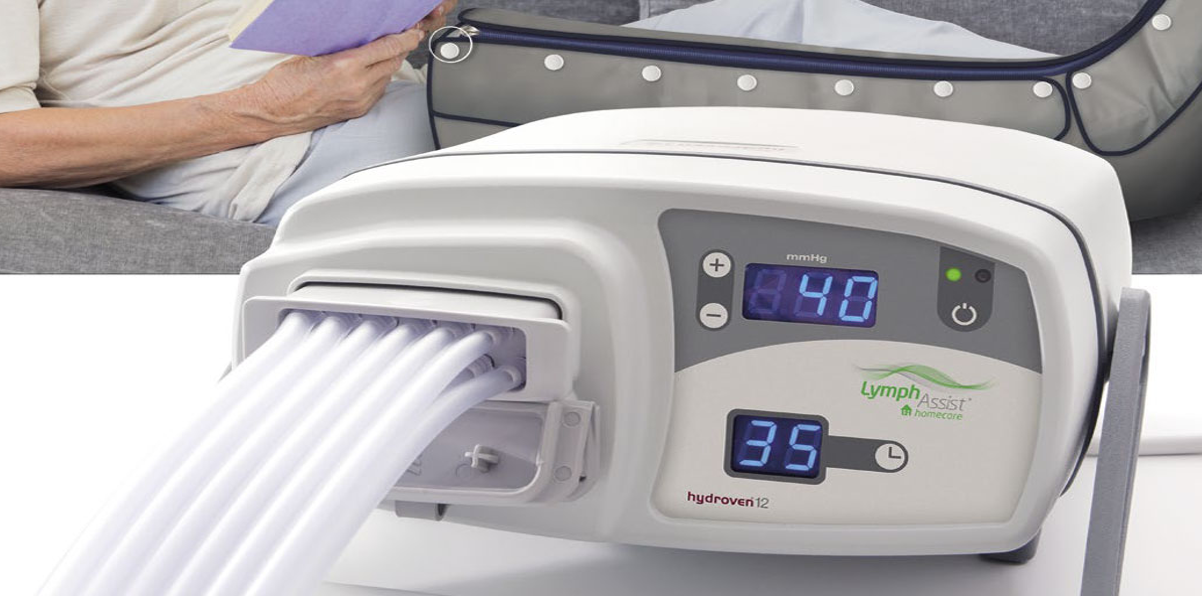
Pneumatic Compression Therapy for Lymphatic Drainage involves using a device connected to an inflatable garment, often resembling a sleeve or boot. These garments have multiple chambers that inflate and deflate in a specific, programmed sequence. This action creates a gentle, wave-like compression that systematically pushes lymph fluid from the affected limb or body part towards the central lymphatic system. It essentially acts as an external pump, assisting a compromised lymphatic system in its vital function.
The sensation during a therapy session is usually gentle, like a rhythmic squeeze and release. Patients often describe it as comfortable and even relaxing. Most devices allow for adjustable pressure settings, which a healthcare professional customizes based on the individual’s condition and tolerance. Regular sessions, typically lasting 30 minutes to an hour, can significantly reduce swelling and prevent fluid re-accumulation. This therapy is commonly prescribed in the US for various conditions, including primary and secondary lymphedema, as well as chronic venous insufficiency.
Optimizing Lymphatic Flow with Compression Devices
The lymphatic system is a critical part of our immune system and fluid balance. It collects excess fluid, proteins, and waste products from tissues, filtering them before returning them to the bloodstream. When this system is impaired, fluid can accumulate, leading to swelling, discomfort, and increased infection risk. Conditions like lymphedema, whether primary (genetic) or secondary (often from cancer treatment or injury), severely hinder natural lymphatic drainage.
Compression devices provide targeted support where the body’s natural mechanisms falter. By applying external pressure, they help improve microcirculation and reduce the workload on the remaining functional lymphatic vessels. This mechanical assistance encourages lymphatic return, preventing the stagnation that can exacerbate swelling and tissue hardening. Ensuring the device is properly fitted is paramount; a poorly fitting garment can impede flow or cause discomfort. These devices are often a cornerstone of long-term self-management, allowing patients to maintain reduction achieved through other therapies.
My Experience with Pneumatic Compression Therapy for Lymphatic Drainage Protocols
My practical experience confirms that patient adherence is key to successful outcomes with Pneumatic Compression Therapy for Lymphatic Drainage. Prescribing the correct device, whether a multi-chamber pump for a limb or a torso garment, depends on the extent and location of the swelling. We usually start patients on a specific pressure and duration, gradually adjusting as needed. Many individuals find relief in incorporating sessions into their daily routine, often while resting or watching television.
For many, securing a prescription for a pneumatic pump requires working closely with a physician and often a certified lymphedema therapist. Insurance coverage in the US can vary, but with proper documentation demonstrating medical necessity, many patients gain access to these valuable home therapy units. I’ve witnessed individuals regain significant mobility and reduce pain by consistently using their prescribed pump, even after initial manual lymphatic drainage therapy. It empowers them to manage their condition proactively at home.
Benefits and Practical Application of Pneumatic Compression Therapy for Lymphatic Drainage
The benefits of regular Pneumatic Compression Therapy for Lymphatic Drainage extend beyond just swelling reduction. Patients often report decreased pain and discomfort, improved skin health due to better circulation, and a reduced incidence of infections like cellulitis. The therapy also contributes to better joint mobility and a general sense of lightness in the affected limb. It’s a tool that truly enhances the overall quality of life by mitigating chronic symptoms.
Integrating this therapy into a daily regimen typically involves a 30- to 60-minute session, one to two times a day. It works synergistically with other lymphedema management strategies, such as manual lymphatic drainage, regular exercise, and wearing compression garments. For instance, a patient might perform manual lymphatic drainage, then use their pneumatic pump, and finally don their compression garment for the day. This multi-pronged approach offers the most robust defense against progressive lymphatic swelling, helping patients maintain long-term symptom control and independence.